
Thanks diefabrik.
53.383055
-1.464795


Love these. If I designed a building it’d probably come out something like this.
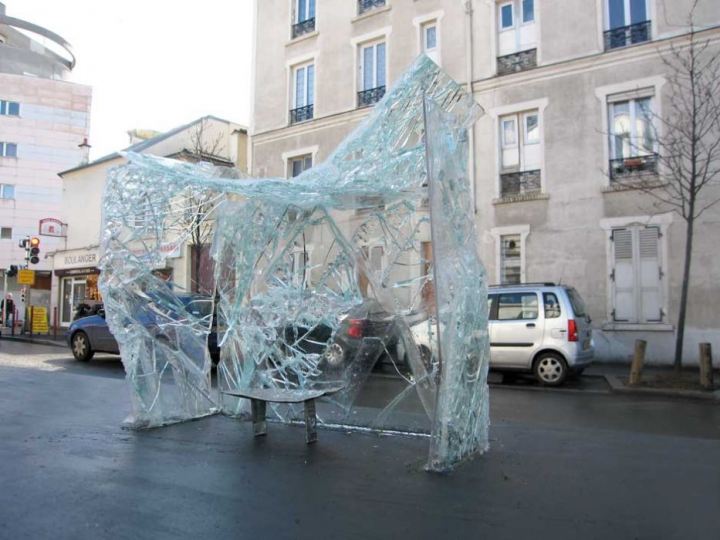
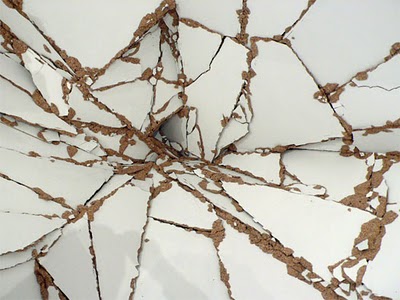

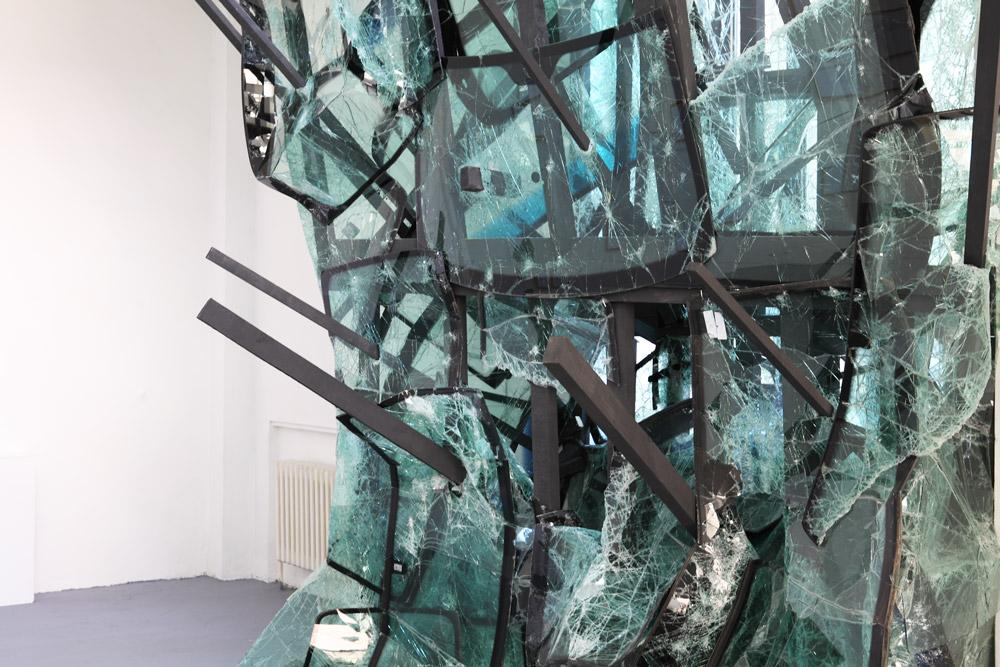
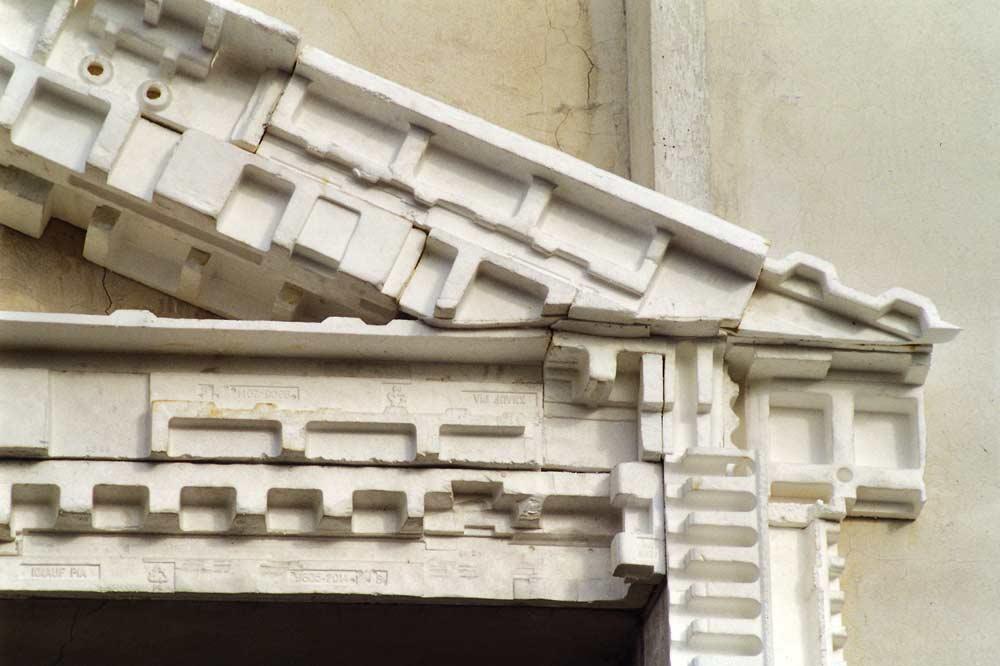
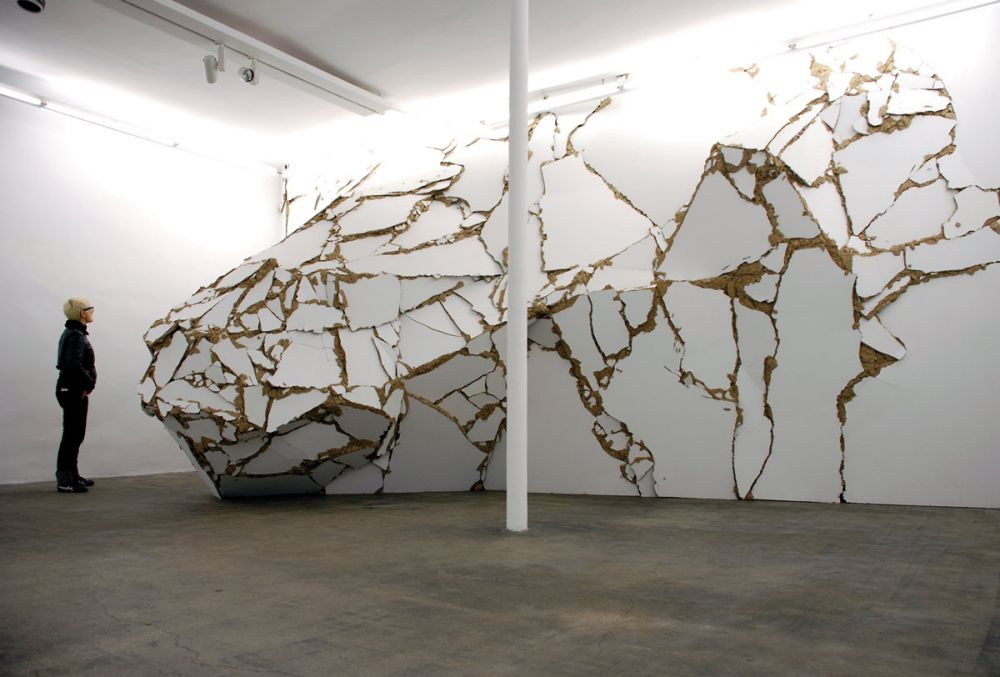
Some shots of different pieces of work by BAPTISTE DEBOMBOURG. Thanks to BUMBUMBUM for directing me to the work.
I think I love 90% of work that relates to architecture, the built environment, installation art, urban environments, text, interventions, etc. This stuff seems to tick all the boxes… What do you think? I’d like to start using my blog as a means of generating discussion, critical or otherwise, so use the comments if you have anything you’d like to say!
I just read an amazing account of an author’s [Henry Shukman] exploration of ‘Europe’s strangest wildlife refuge, an enchanted postapocalyptic forest from which entirely new species may soon emerge.’
For anyone interested in Chernobyl, wildlife, subversive spaces, architecture, or even psycho-geography and art, this is a must read.
I saw the link on Twitter thanks to bldgblog << who you should follow if you're not already.
Find the text HERE, and let me know what your thoughts on it are.
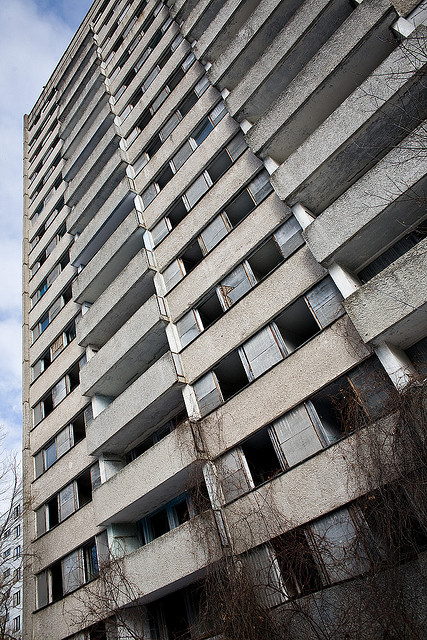
Photo thanks to Pedro Moura Pinheiro.
After a meeting with Sheffield City Council I’ve been given the go-ahead for a new piece of work.
It’s part of their Sheffield Showcase scheme.
It is technically an exhibition, but it will have to be viewed through an unused shop’s window. So some might call it a display. Anyway, the idea of the scheme is to generate footfall around a more run down area of the city centre. It also lets students training for an award in Visual Merchandising get some much needed hands on experience of dressing windows and working with artists/designers/etc. The scheme is currently under scrutiny from the Council and talks are underway about whether to cut it’s funding (cheers Conservatives!).
The area in question is SEVENSTONE << Check out that site for info about what is planned. Though it's unlikely to go ahead anymore.
With this in mind I'll be putting my work up around the middle of March this year. Keep checking back for updates, and as ever, get in touch if you've got some feedback.
In an effort to garner some inspiration for a series of prints (that will also be transferred onto t-shirts) I’ve been mooching through one of my favourite books; Collage: Assembling Contemporary Art.

It’s a great book for anyone interested in Contemporary Art and Collage, so check it out if you can.
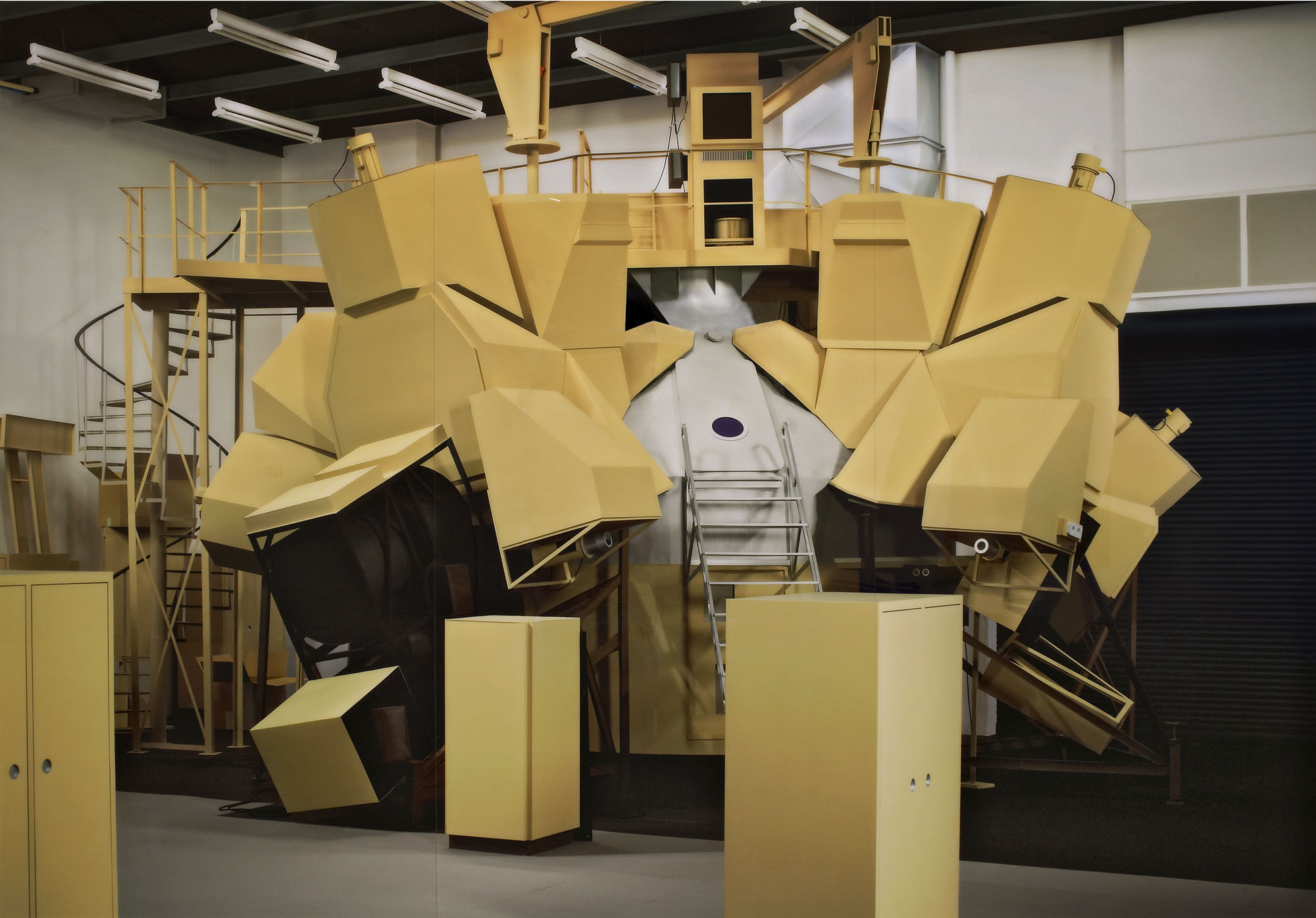
It’s got plenty of artists and examples of their work, but I’d totally forgotten about an artist who was a massive inspiration for my practice when I was at uni. THOMAS DEMAND creates highly technical and elaborate architectural locations and interior structures – using just paper and card. Often creating the illusion of reality, (since his work is made, photographed and then destroyed) meaning the viewer can only see each piece as a photograph.
There is a juxtaposition of mundanity and the uncanny which creates an unsettled reading of the image. The 3D model/structure becomes flat, a plane, an image of a place that was built intentionally to be seen in 2D. It is this denial that makes the viewer aware of a ‘set’; the photograph offers the viewer an answer to what they see as an ‘uncertain reality’, allowing them into the image and a chance to pull apart the illusion.
I do various bits and bobs for an independent shop in Sheffield called Kuji Shop. I have been asked to design business cards, flyers, posters, adverts for print and web, window vinyls etc. But last year they asked me to design their new frontage sign, and it proved to be my biggest job to date.
The shop originally had this logo:

And sold Japanese furniture and home accessories. As it developed and changed, furniture was gradually replaced with smaller accessories and exclusive clothing and limited edition artwork. The shop now prides itself on being artist-led, and holding exclusivity with the majority of it’s products.
They asked me to design a new sign that would incorporate all of these things but also wanted to keep the original name, Kuji Shop. This is the new sign:

As the shop is constantly changing and developing, I wanted a sign that could do the same, so used brass lettering, which will weather and change colour over time. The type itself has a ragged, almost unfinished look about it and stands away from the back board.
For formalities I’ve used a plain black, semigloss back board, double strip light from above and off-white plain lettering for the website and telephone number. I’m really pleased with the finished sign, what do you think?
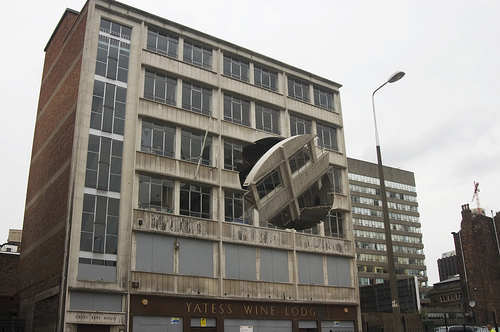
By Richard Wilson. “The most daring piece of public art ever commissioned in the UK” – www.biennial.com
Love this. You can see my (quite rubbish) phone video HERE or an ‘official’ one HERE.
Why can’t every city have something like this? Go and have a look if you’re around in Liverpool, it’s well worth it.
And because no one likes a ‘text only’ blog:
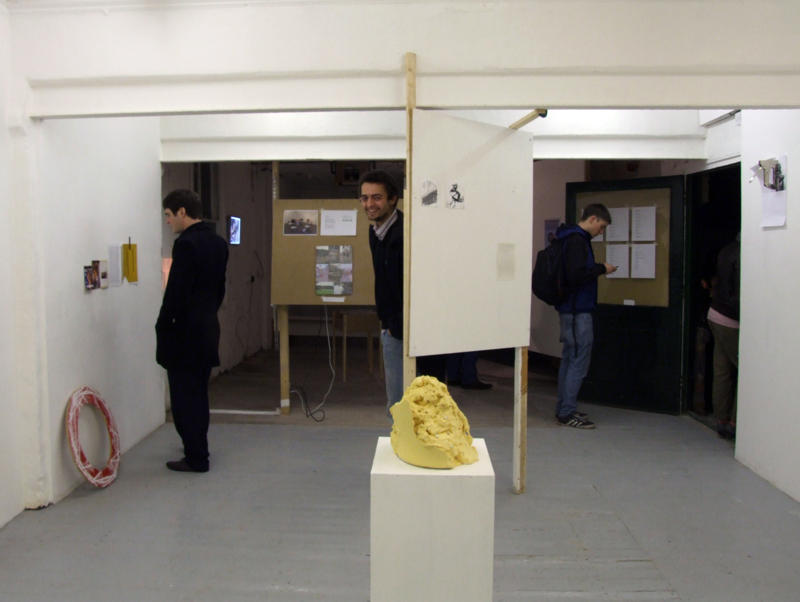
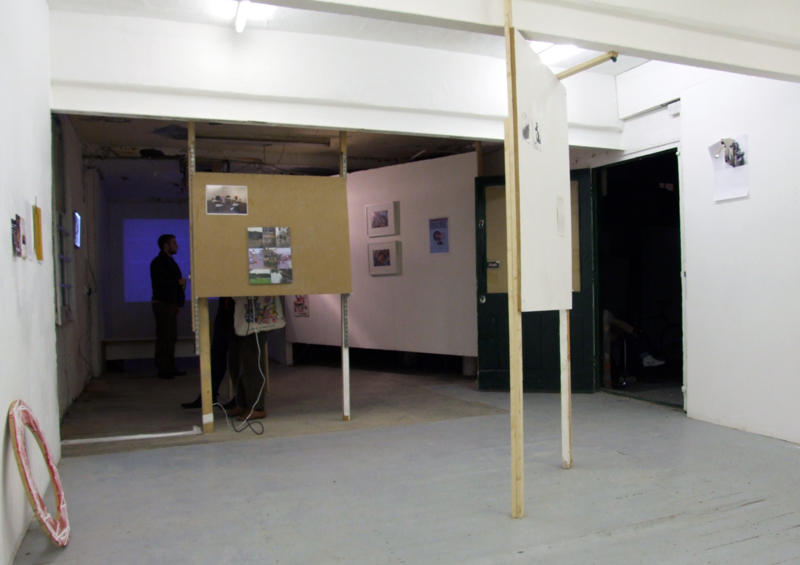
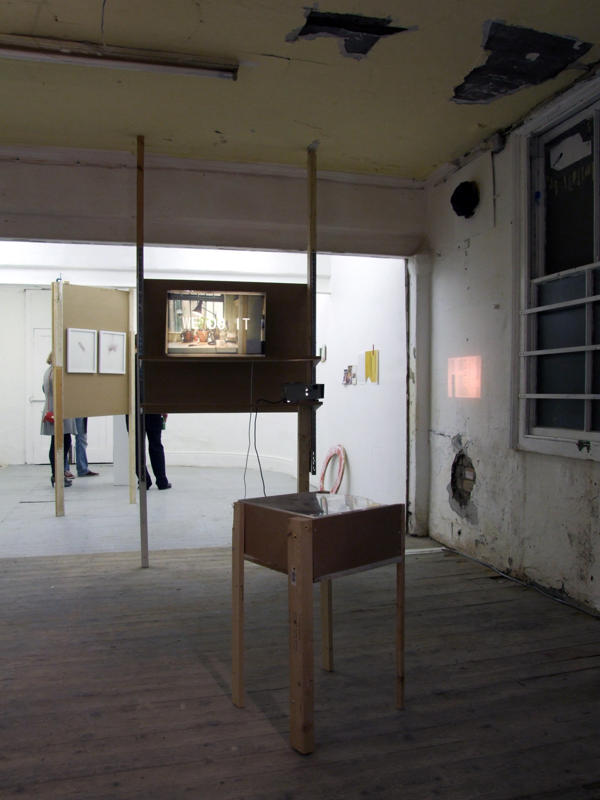
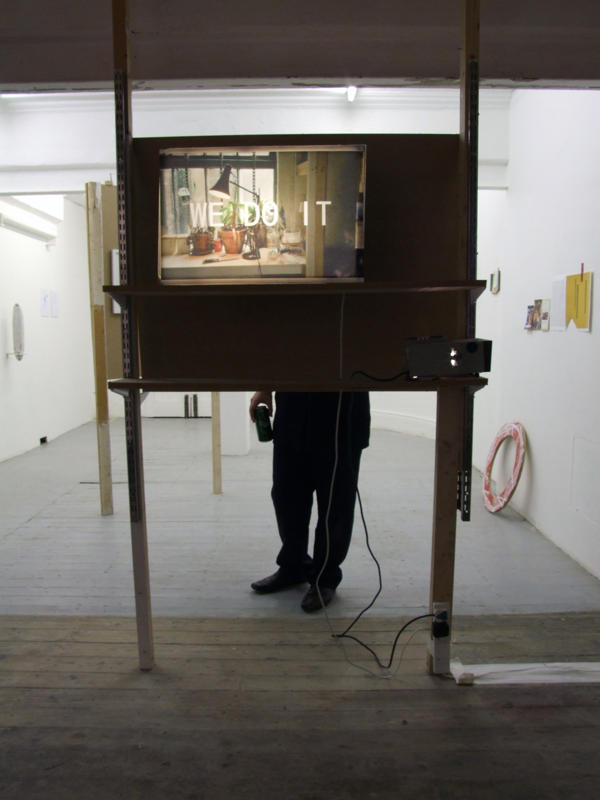
Last year I took part in two final shows at Unit 3b art space.
One was BOUND and the other was an Archive Show; a collection of works by artists who have been involved with 3b throughout it’s time.
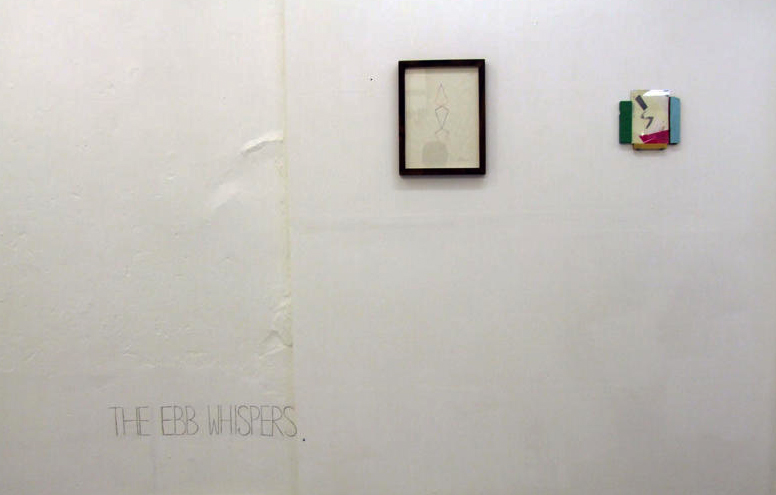
I actually only made one piece of work, but it’s nature was such that it had to stay in situ for the Archive Show, after Bound had finished.
I’ve included a plan view of the exhibition to show how many people were involved and give an idea of the space. My work was a short piece of text that I carved into the wall.
 GREG THOMAS ART