BAPTISTE DEBOMBOURG

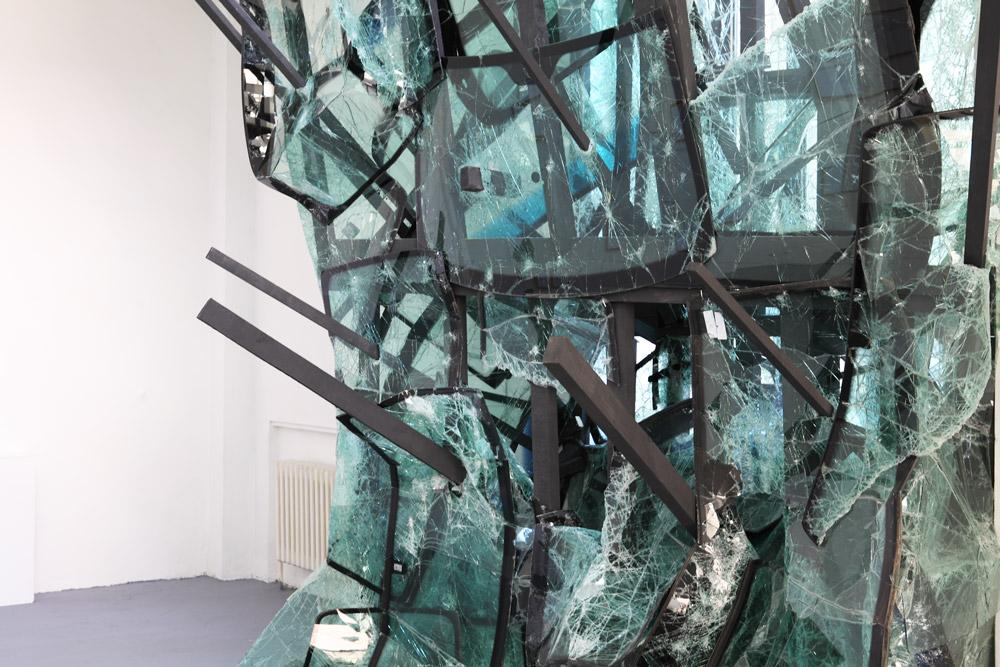
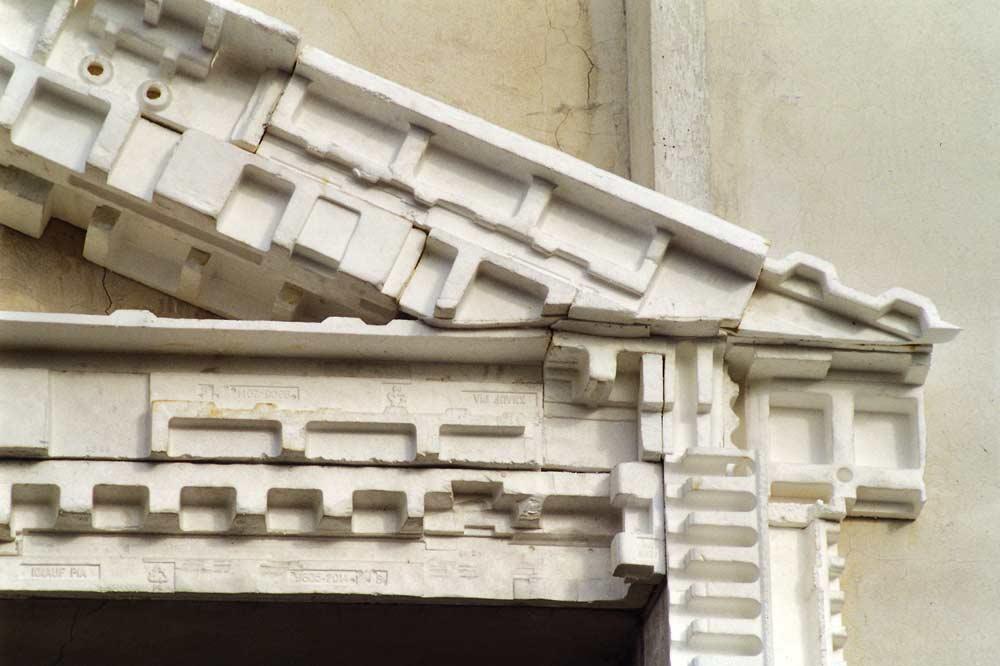
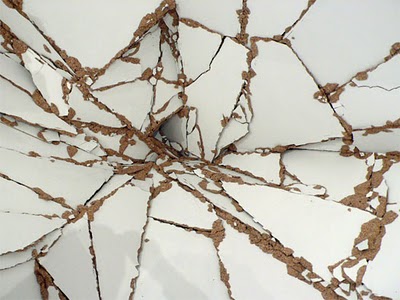
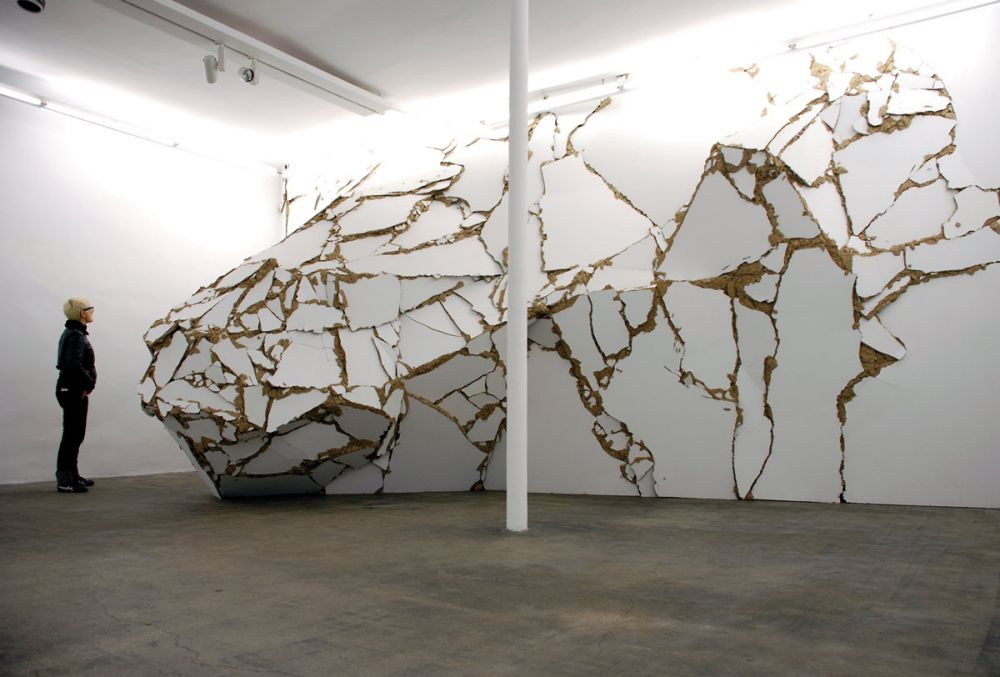
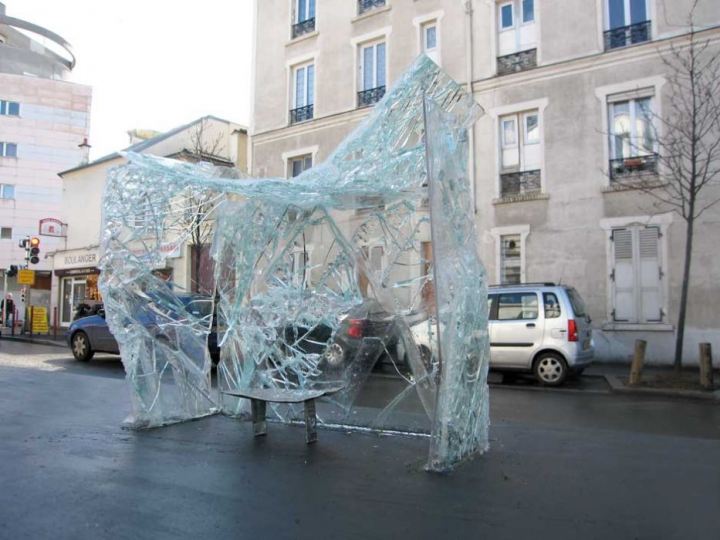
Some shots of different pieces of work by BAPTISTE DEBOMBOURG. Thanks to BUMBUMBUM for directing me to the work.

I think I love 90% of work that relates to architecture, the built environment, installation art, urban environments, text, interventions, etc. This stuff seems to tick all the boxes… What do you think? I’d like to start using my blog as a means of generating discussion, critical or otherwise, so use the comments if you have anything you’d like to say!

CHERNOBYL

I just read an amazing account of an author’s [Henry Shukman] exploration of ‘Europe’s strangest wildlife refuge, an enchanted postapocalyptic forest from which entirely new species may soon emerge.’

For anyone interested in Chernobyl, wildlife, subversive spaces, architecture, or even psycho-geography and art, this is a must read.

I saw the link on Twitter thanks to bldgblog << who you should follow if you're not already.

Find the text HERE, and let me know what your thoughts on it are.

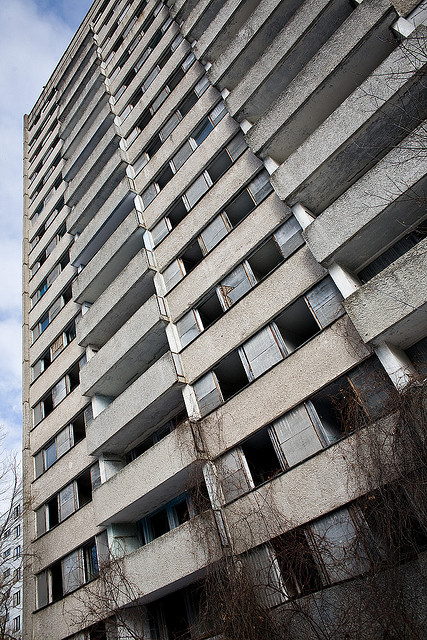
flats at Chernobyl exclusion zone

Photo thanks to Pedro Moura Pinheiro.

You Were Here!

You should all have a look at this little blog by Tina Richardson, based in Leeds, UK.

YOU WERE HERE!

“This is an ongoing project that takes place on the University of Leeds campus and was started in November 2010. I am taking photos of found objects… that could have conceivably been dropped accidentally.

These items may well be classified as rubbish at the point they hit the ground, but the objects that intrigue me are those that could have possibly been lost, and at that moment in time, could have been attributed some value by the owner.”

The project focuses on the idea of accidental loss of an object; objects which are then indexed, temporally and spatially. Kind of like a map of loss. There are some similarities between this project and one of the first projects I posted on this blog, titled MISSING

I was interested in the body as a found object, and I see similarities in the projects because we’ve both concentrated on the place of discovery then mapped, in one way or another, those places.

MISSING

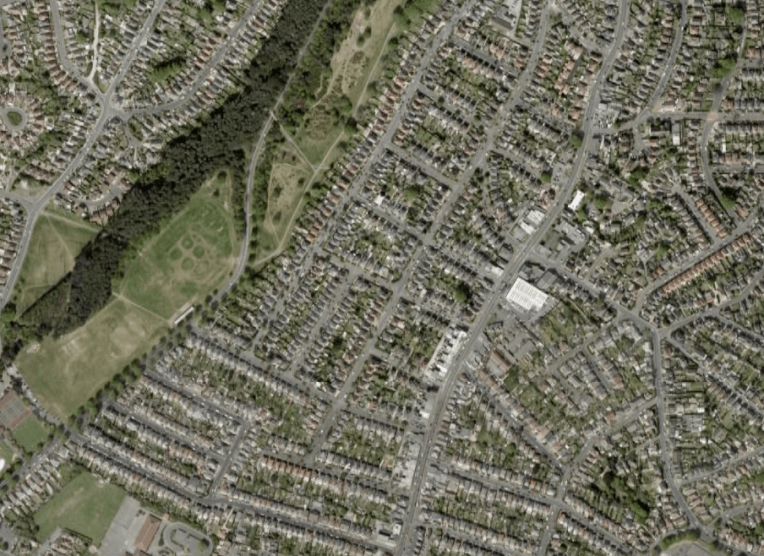
bournemouth-parley-common

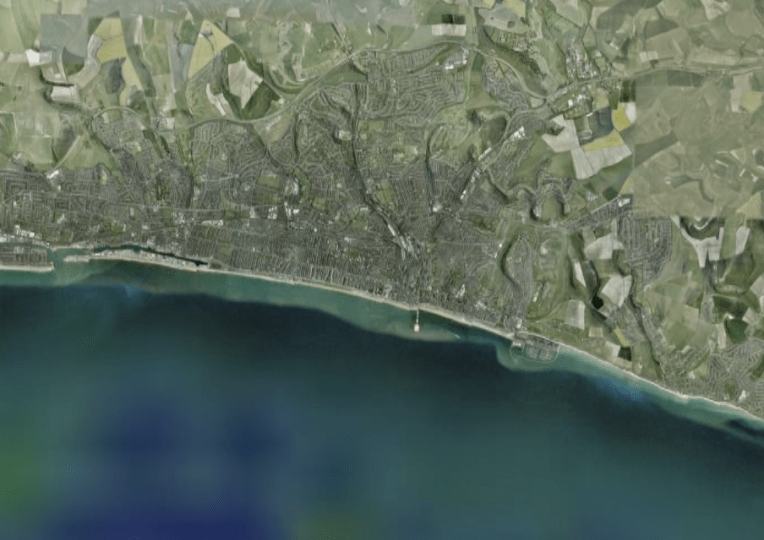
brighton

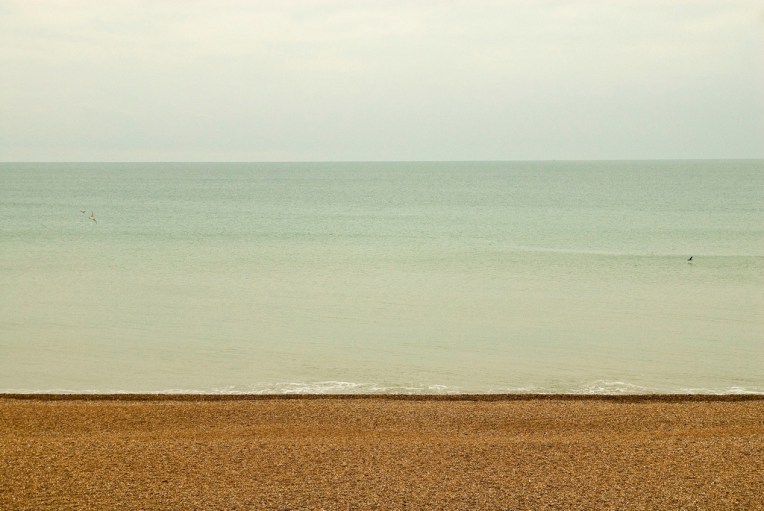
Using information from a missing persons website, I used Google Earth to photograph certain parts of the country. The areas were places that unidentified bodies had been found.

I contacted photographers local to those areas and asked them to take pictures of certain places, without revealing motives for the chosen sites.

beach21

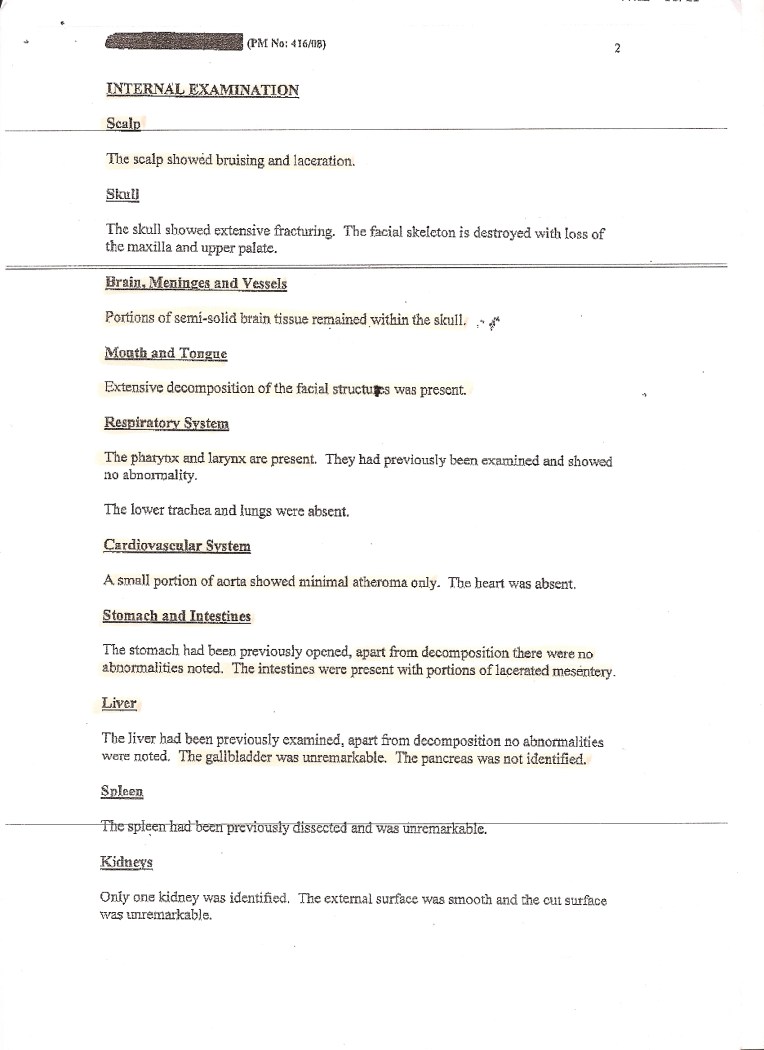
I constructed a darkened corridor that was approx. 5m in length. At one end of the corridor a projection of the above image was show over a 4 minute duration. The image faded from full colour to black over the 4 minutes. As the image faded out, the sound of a doctor reading a report was played, describing how an unknown person had been found on the beach, followed by the post-mortem report of that person.

autopsy2